

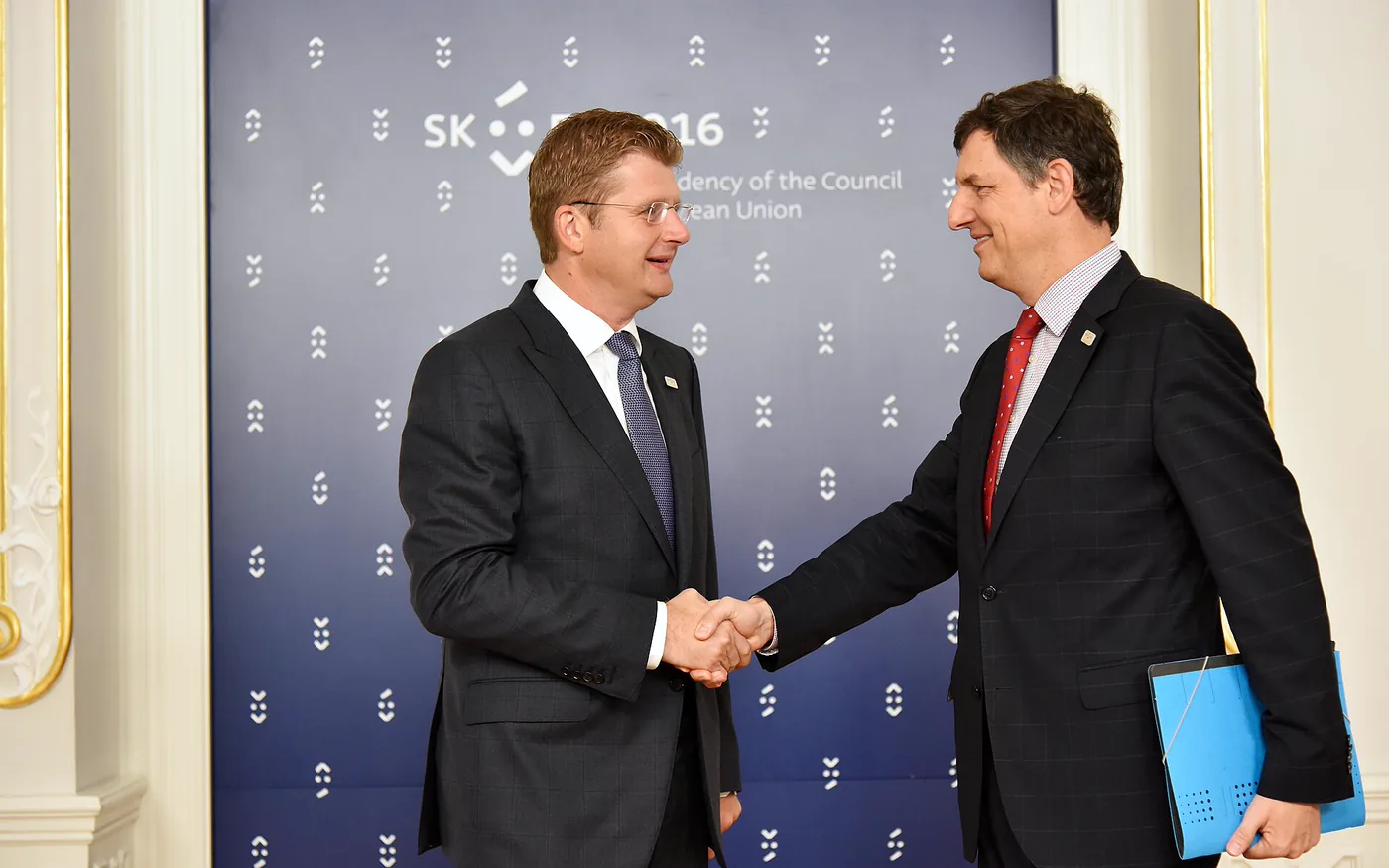
Picture thirty wholesale buyers who each want to place a first order with your store. Ten of them will open the product page and check out alone. Ten want to speak to someone. Ten want to meet.
That is a rough picture of McKinsey's "rule of thirds," and it is worth testing against your own store.
What the thirds are
McKinsey's 2024 B2B Pulse Survey reached nearly 4,000 decision makers in 13 countries. Its finding is that at any stage of buying, about a third prefer in-person contact, a third prefer remote contact with a person, and a third prefer digital self-service. McKinsey says the split holds across industries, company sizes and countries.
Remote here means a person on the other end, by phone, video or email. Self-serve means the website, the cart and the reorder button. In-person means a visit, a trade show, a sample room.

Where an online store stands
An online store serves the self-serve third by design. The page, the price list and the cart are all there.
The remote third gets whatever the inbox gives it. Email counts as remote, but a reply that arrives next day is a long way from a person who answers while the buyer still has the product open.
The in-person third mostly goes to your sales rep, or to nobody. If you have no rep, these buyers go to a supplier that has one.
When the share tilts
The split is not fixed by purchase. McKinsey reports that 41% prefer in-person channels when dealing with a new supplier and 40% when buying something for the first time.
Those are the moments a wholesale store meets most often: a new retailer, a first order. The buyer is not complaining about your site. They want to see who they are about to send money to.
Cover the middle third
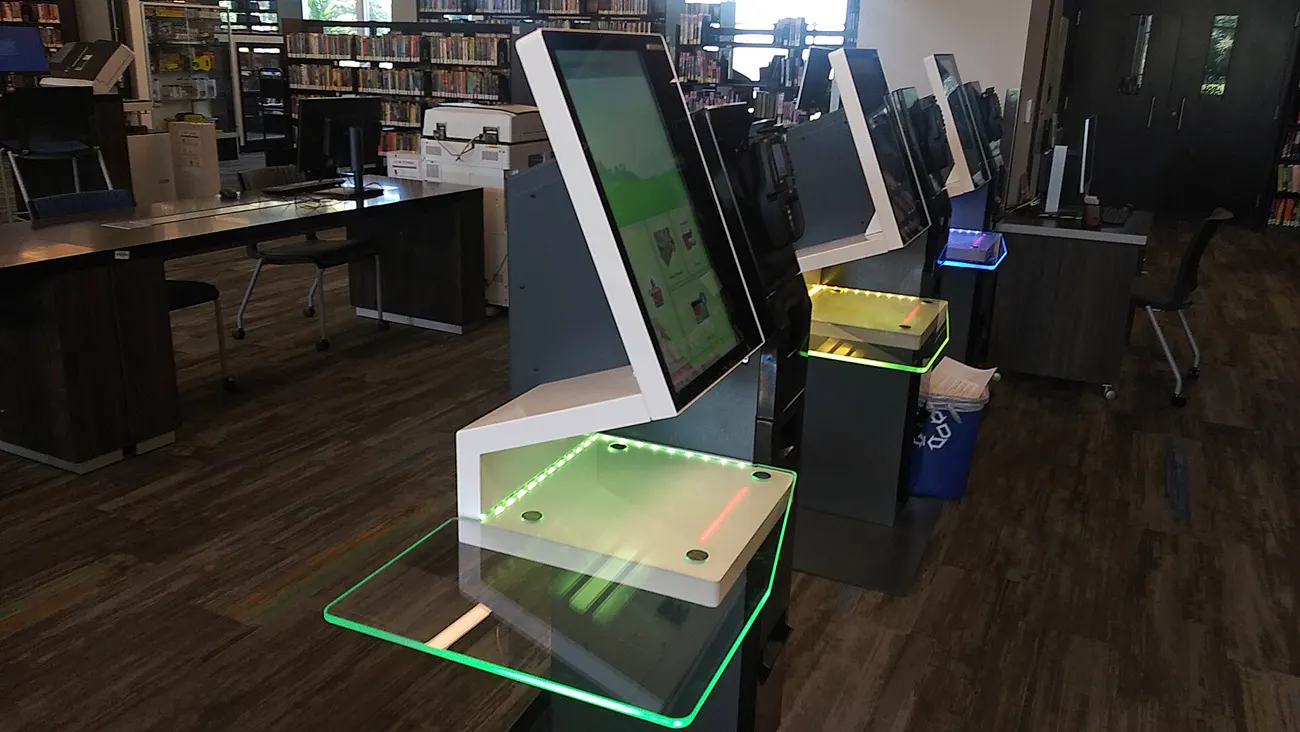
You cannot send a rep to every buyer, and a kiosk does not answer a question. The middle third is where a scheduled or on-demand live call fits. A person appears on the product page, shows the item, reads the spec sheet aloud and answers what the buyer asks next.
It will not turn every in-person buyer into a remote one. Some still want the visit. But a face on a call is closer to a visit than an inbox is.
Run the tally this week
Take your last thirty first-time wholesale orders.
First, mark how each buyer got to you: self-serve only, a reply from a person, or a rep visit or show.
Second, note which orders stalled and which of the three would have helped.
Third, count the thirds you do not cover. If one column is empty, that is a third of the buyers McKinsey's data says you are not talking to.
Your own tally may not come out even, and it should not. It tells you where to start.
Source
McKinsey, "Five fundamental truths: How B2B winners keep growing" (2024 B2B Pulse Survey, nearly 4,000 B2B decision makers in 13 countries; the "rule of thirds" across buying stages, 41% preferring in-person channels with new suppliers and 40% for a first-time purchase). The full article could not be fetched in this review, so the figures are as quoted in the article's search excerpts and a trade-press summary. The grouping of phone, video and email as "remote" comes from that summary. The 30-buyer tally in the body is an illustration, not a result. Photos: Wikimedia Commons, CC0 (handshake, Council of the EU 2016; telephone call, Nationaal Archief; self-service kiosks, East Community Library, St. Petersburg College).