
Take a buyer who reorders from you every month. She knows what she wants, and she opens your store on a Tuesday morning intending to finish in ten minutes.
Sana Commerce and Sapio Research surveyed 750 professional buyers in the United States, the United Kingdom, Mexico, Germany, Australia and the Netherlands. The fieldwork dates from September 2024, so treat the figures as a baseline, not a forecast. They found that 85% of buyers had been frustrated enough by online buying to abandon a purchase, and 75% said they would switch suppliers for a better experience.
Here is her reorder, one step at a time.
Step 1: Finding the item
She searches for a product she bought in spring. The old name is gone, because you changed the range, and the search returns nine near matches. In the survey, 36% of buyers said they struggle to find products online.
A person looking at the same screen would say "that is the new version, same case size." Without one, she picks a guess or opens her email.
Step 2: Trusting the price

The price on the page is not the one she negotiated. Sixty-four percent of the buyers expect custom pricing to be shown accurately online, and she is one of them. If the number looks wrong, she will not place the order to see what happens.
This is the moment a short question, such as "is this my contract rate?", saves the sale. Our post on what a rep knows that your store does not describes the pricing and account details worth loading first.
Step 3: Checking stock and delivery
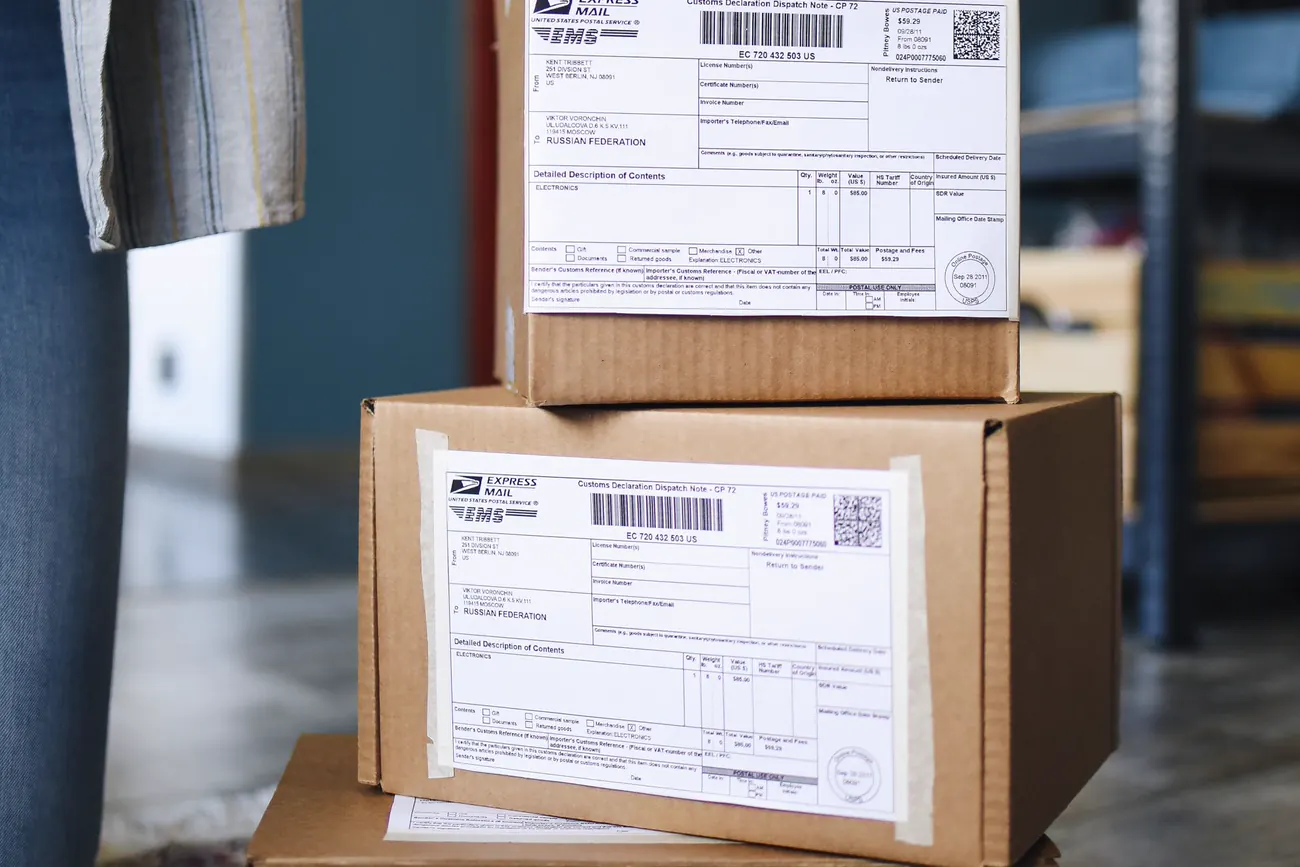
She needs forty cases before the 15th. The page says "in stock" and gives no date. In the survey, 40% of buyers cited a lack of transparency about stock and delivery dates, and 29% had been hurt by inaccurate delivery times.
A warehouse manager could answer in one line. A banner that says "ships in two to three days" cannot know that her order is forty cases.
Step 4: Placing the order
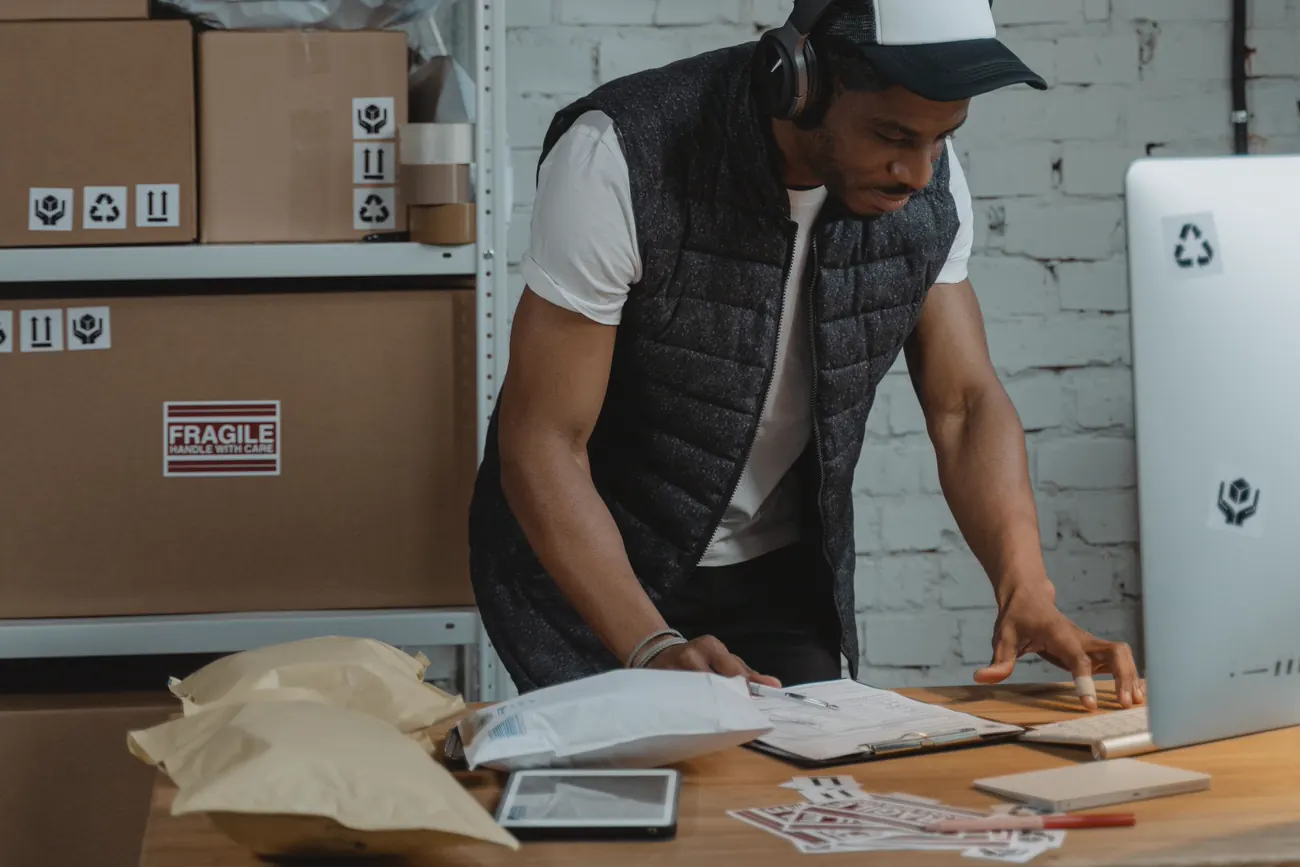
She clicks to confirm. One in three buyers in the survey reported errors on their online orders. A buyer who has had a wrong shipment before reads the confirmation screen twice, and she may stop to call you instead.
If she calls, the order is still yours. If she is on hold, or the call goes to a form, it becomes a quote request at a competitor's site.
What to take from the walk
Each step had a quick answer that only a person could give. The fix is not to remove those people from the store. It is to put them where the buyer is already looking: a visible way to ask, on the product page and in the cart, that connects her to someone who knows the account. A short live conversation at step 3 costs a minute. The same question left unanswered at step 3 costs the reorder.
Source
Sana Commerce: 2025 B2B Buyer Report, survey by Sapio Research of 750 professional buyers in six countries, fieldwork in September 2024, reported 3 February 2025.