

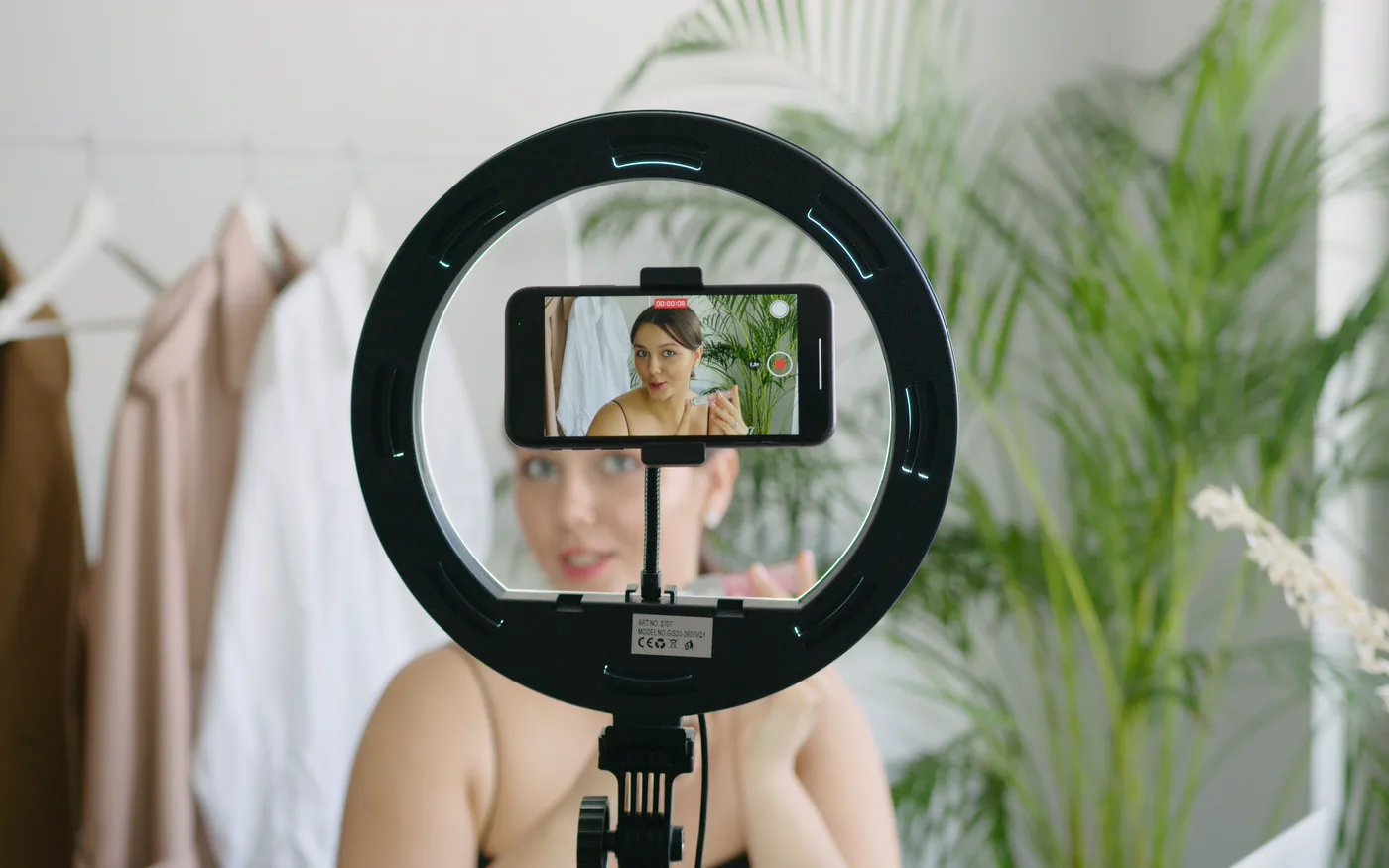
Cloudinary asked 539 retailers in 14 countries how they use images and video, and published the results on 23 September. One figure stands out. In 2024, 8% of the ecommerce professionals it surveyed hosted 1,000 videos or more. This year, 41% of retailers do, and 62% plan to deliver more video this year.
The reasons they give are sound. 70% say video builds trust in the brand, 69% say it makes the product more credible and 63% say it drives purchases. Only 35% say it reduces returns.
That last gap is worth a closer look. Here are three beliefs behind the rush to film, and what each one leaves out.
"More video means fewer questions"
A video answers the questions the person filming thought of. The shopper watching it often has a different one. A demo of a rain jacket shows the hood and the pockets. It does not say whether the medium will fit over a thick sweater, or whether the sleeves suit someone with long arms.
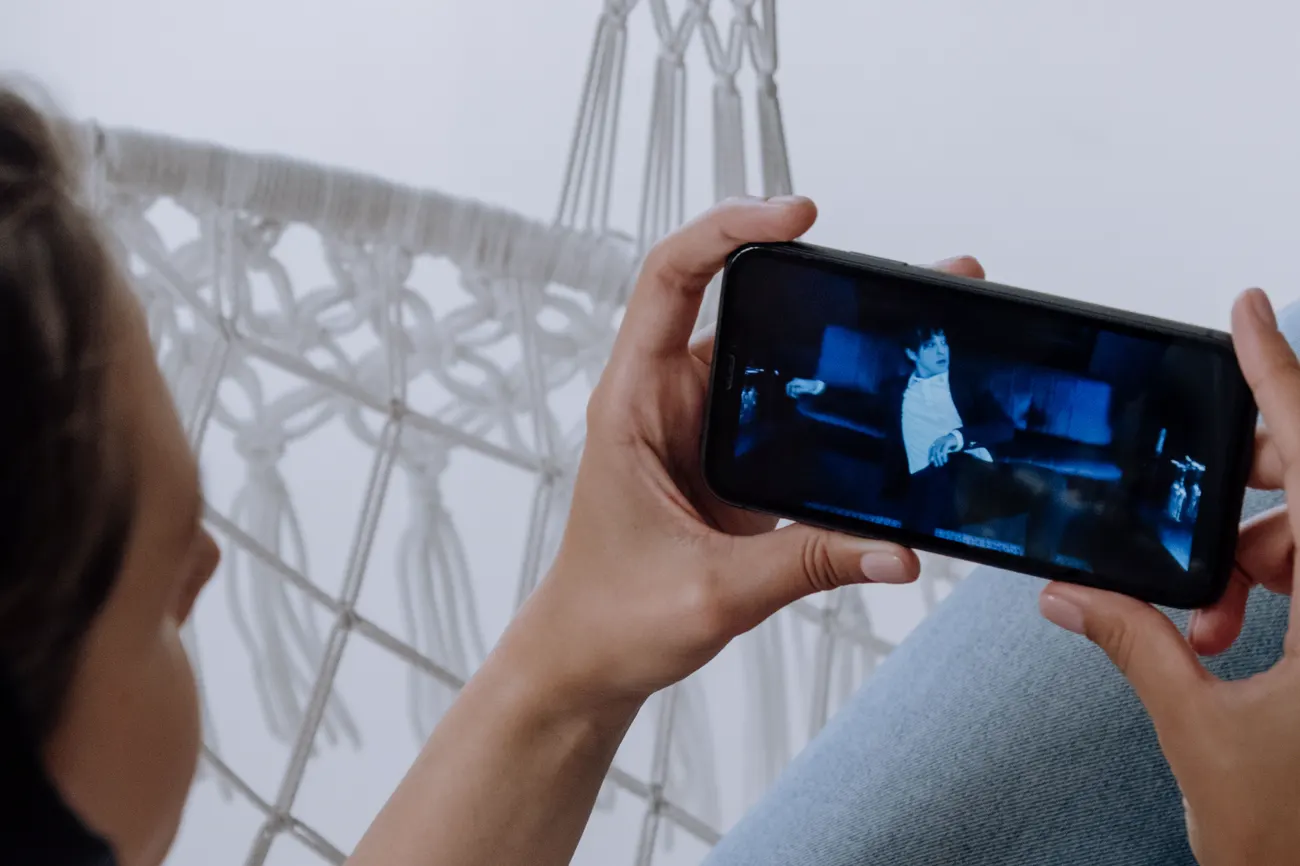
The shopper can replay the clip as often as they like. The answer is still not in it. So they close the tab, or they order two sizes and send one back. That may be why returns sit at the bottom of the list: a video can show that a product looks right without telling a shopper it is right for them.
"Every new video earns its place"
A large library has costs the survey also records. Asked about the challenges video creates, 45% of retailers put the impact on site and app performance first, and 42% point to the time spent formatting versions for different devices and social channels by hand. Each clip added to a product page is one more thing to load on a phone with a weak signal.
Before filming more, list the products that drew the most questions last quarter and check whether their video answers any of them. Where it does not, a new clip of the same angles will not help either.
"An AI stylist will pick up the rest"
Cloudinary found that 71% of retailers plan to deploy AI concierges and digital stylists this year. For questions with a written answer, such as care instructions, stock levels or delivery dates, that is a sensible use of software.
The harder questions depend on the product in someone's hands. How stiff is the leather out of the box? Is the green closer to olive or to khaki in daylight? An assistant can only repeat what the listing says. When a chatbot should hand the conversation to a person covers where that line usually falls.
Keep the camera, add someone behind it
The phone, the light and the samples bought for recorded video work just as well for a live call. The same setup can show a shopper the jacket over a sweater, right now, while they are still on the product page.

Start small. Pick the ten products with the most unanswered questions, put someone who knows them on a few published hours, and let shoppers ask for a call from the product page. Live chat vs video: which helps your shoppers buy? explains when showing beats typing. Keep the recorded clips for the questions everyone asks, and use live shopping for the one this shopper is asking.
Source
Cloudinary: Cloudinary Retail Survey Results 2026, 23 September 2026.