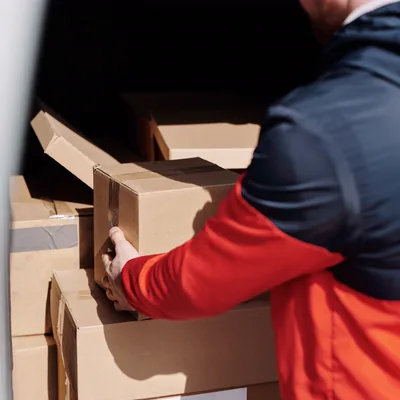


It is 9:10 on a Tuesday evening. Someone asks an AI assistant for a waterproof hiking boot under $200 that works for wide feet. Four minutes later, one of the boots it suggested is open on your product page.
That shopper is not browsing. Follow the next ten minutes of the visit and you can see where your store helps them and where it lets them go.
9:10 pm: the assistant reads your store first
Adobe Digital Insights, reporting in April 2026 on more than a trillion visits to US retail sites, found that traffic from AI sources grew 393% year over year in the first quarter of 2026. In March, those visits converted 42% better than non-AI traffic. A year earlier, they converted 38% worse.
The same report scored how much of each page a language model can actually read. US retail product pages averaged 66%. Roughly a third of what a store publishes about a product may never reach the assistant recommending it.
What the assistant could not read, it could not repeat. It builds the shortlist from what it found: the price, the headline specifications, the reviews it could parse.
9:14 pm: the product page loads

The shopper arrives already knowing the price and two of your competitors. Adobe measured AI visitors staying 48% longer than other visitors and viewing 13% more pages. They are checking, not discovering.
What they check is whatever the assistant was vague about. How the boot fits a wide foot. Whether "waterproof" means a membrane or a coating. The page answers that in plain words or it does not.
Plain text counts twice here. It is what the shopper reads, and it is what the next assistant reads. A size chart that exists only inside an image helps neither of them.
9:19 pm: the question the page cannot answer
Every product has a question no page settles. Will this boot rub where my old ones did? Is the "forest green" closer to olive or to emerald?
This is the question the shopper came to your site with, and the comparison tab is one click away. The assistant can run the search again. It cannot press on the toe box.
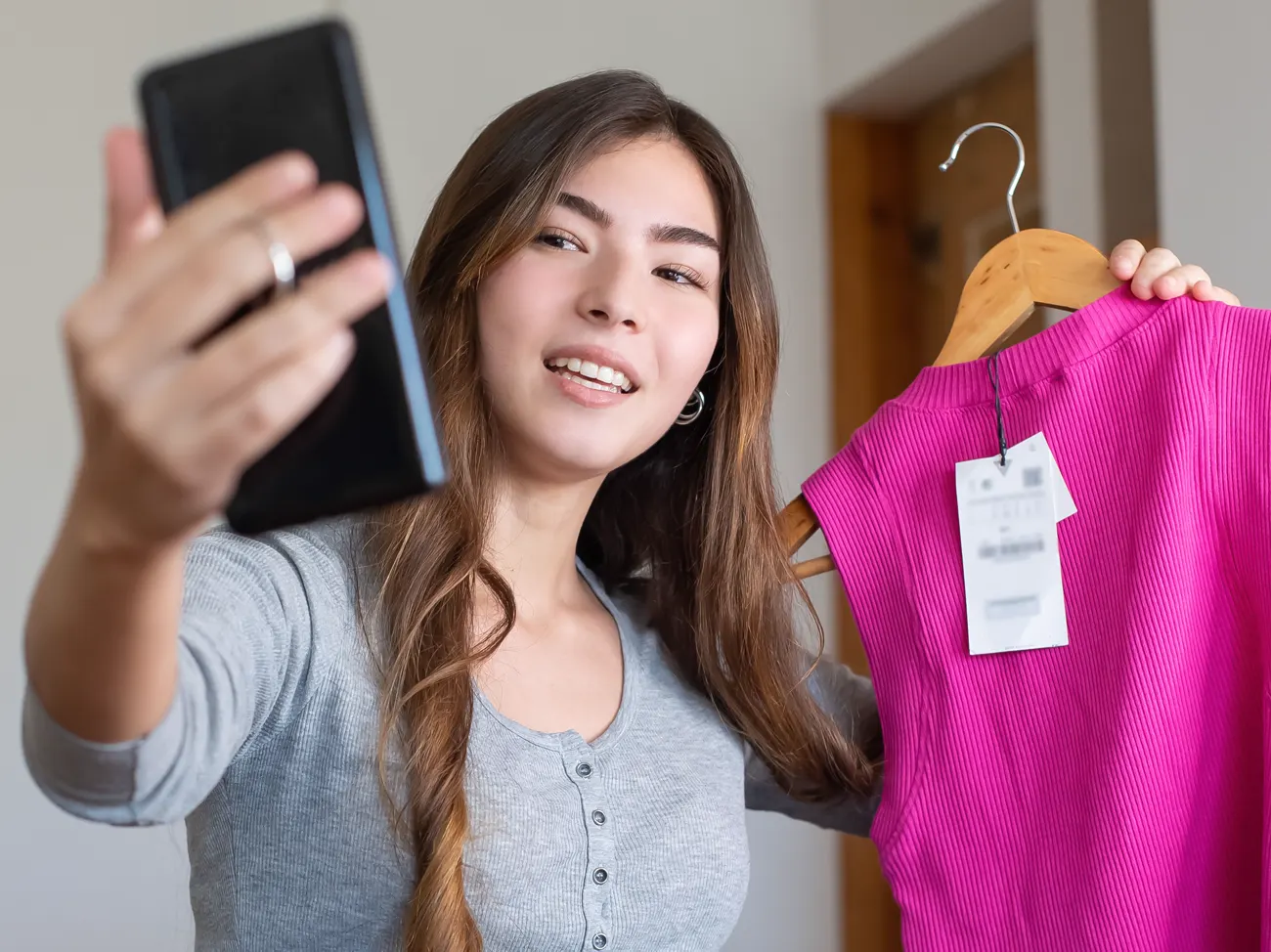
Someone who has handled the product can. Held up to a camera, compared with the model the customer owns, explained in thirty seconds, the answer settles what the specifications left open. It is also the one part of the visit an AI recommendation cannot supply on your behalf.
Monday morning: fix the pages AI traffic lands on
Open your referrer report and find the ten products that receive the most visits from AI assistants.
For each one, move anything written inside an image into text: sizing, materials, compatibility, the returns window. In Adobe's scoring, returns pages averaged 82% and product pages 66%, so the page doing the selling is the one most likely to be missing something.
Then ask your team which question they hear most about each product, and put the answer on the page. Whatever is left after that is the question worth a live conversation. Live shopping puts an advisor there for it, and When a chatbot should hand the conversation to a person covers where that line sits.
Source
Adobe: AI traffic grows but retail sites lag in AI search visibility, 16 April 2026.